

Celebrating a quarter-century of international cooperation, innovation and shared commitment to sustainable life sciences.
In 2026, the Euroleague for Life Sciences celebrates 25 years of collaboration among leading European universities committed to life sciences and sustainable development.
This anniversary marks a quarter-century of joint teaching, innovative study opportunities, and vibrant student and staff mobility. Together, these activities have helped create a truly international learning environment across the ELLS network.
It is also an opportunity to recognise the collective impact of ELLS in educating new generations of professionals and researchers who address global challenges in agriculture, forestry, the environment, bioeconomy and rural development.
Joint teaching and innovative study opportunities
International experiences for students and staff
Long-term partnerships across European universities
Shared responses to global life science challenges
This page presents special anniversary events organised by ELLS partner universities throughout 2026. Explore the stories below and join us in celebrating the achievements of the network and its future ambitions for excellence, openness and sustainability in higher education.
Friday, 3 July 2026
The University of Hohenheim brought together university members, alumni, friends and supporters for its annual summer festival, the traditional Dies academicus.
The programme combined an academic ceremony, the presentation of prizes and scholarships, student activities, international food, music and celebrations in the historic courtyard of Hohenheim Palace.
A central part of the academic ceremony was the keynote address “Global Volatility and European Food Security.”
The keynote was delivered by Prof. Dr. Arthur P.J. Mol, one of the world’s leading experts in environmental policy and President of Wageningen University from 2015 to 2024. During his nine-year presidency, he contributed significantly to the development and growth of ELLS. His participation gave the University of Hohenheim an opportunity to connect its traditional academic celebration with the alliance’s 25th anniversary.
The University opened its traditional Dies academicus in the Otto Rettenmaier Audimax. The ceremony included a welcome from University President Christoph Schneider and the anniversary keynote by Arthur Mol.
Students presented the vibrant cultures of the University of Hohenheim through culinary specialities and refreshments from different parts of the world. Information booths also introduced visitors to student projects and academic life.
Students and talented early career researchers received prizes and scholarships recognising outstanding academic performance, research, teaching, sustainability and student engagement.
Following university tradition, the President tapped the keg in the Palace courtyard, marking the beginning of the afternoon and evening celebrations.
The day concluded with a party in the inner courtyard of Hohenheim Palace, featuring musical entertainment, international food and a special summer atmosphere in front of the baroque Palace.

|
Karl Hurle
Prof. emeritus
Photo credit: Karl Hurle
|
ELLS was initiated by Prof. Bert Speelman, rector of Wageningen University. His idea was to bring together leading European universities in the field of life sciences and, above all, to promote student exchange to better prepare students for a successful international career. This approach was embedded in the framework of the Bologna Process. As scientific coordinator, I had the privilege of contributing to the project from its launch in 2001 until 2004.
ELLS is a great and future-oriented idea. It developed well and gave potential for even more internationality for the member universities.
What initially seemed like a simple project turned out to be far more difficult to implement. It took numerous meetings to find solutions for harmonizing the various academic systems so that the students’ stays away from their home universities would go smoothly and their academic achievements would be recognized back home. We have all learned just how different European universities are. In this context, I must not forget to mention the dedicated and productive collaboration with the team from Hohenheim.
“May the spirit of ELLS continue and, as is already the case, extend beyond the borders of Europe. This will make our students and the University of Hohenheim more competitive and better prepared for the future.”
Through academic reflection, recognition of excellence and a lively celebration of its international university community, the University of Hohenheim marked the ELLS anniversary in the spirit of cooperation, diversity and shared commitment to the future of life sciences.
BOKU University marked the 25th anniversary of ELLS during its International Days, introducing students and visitors to the many opportunities offered by the ELLS network.
The anniversary activities included an ELLS information stand, a poster exhibition presenting opportunities such as the Scientific Student Conference, joint programmes and international mobility, as well as an interactive ELLS quiz. Visitors could learn more about the alliance, discuss international opportunities and take home small anniversary gifts.
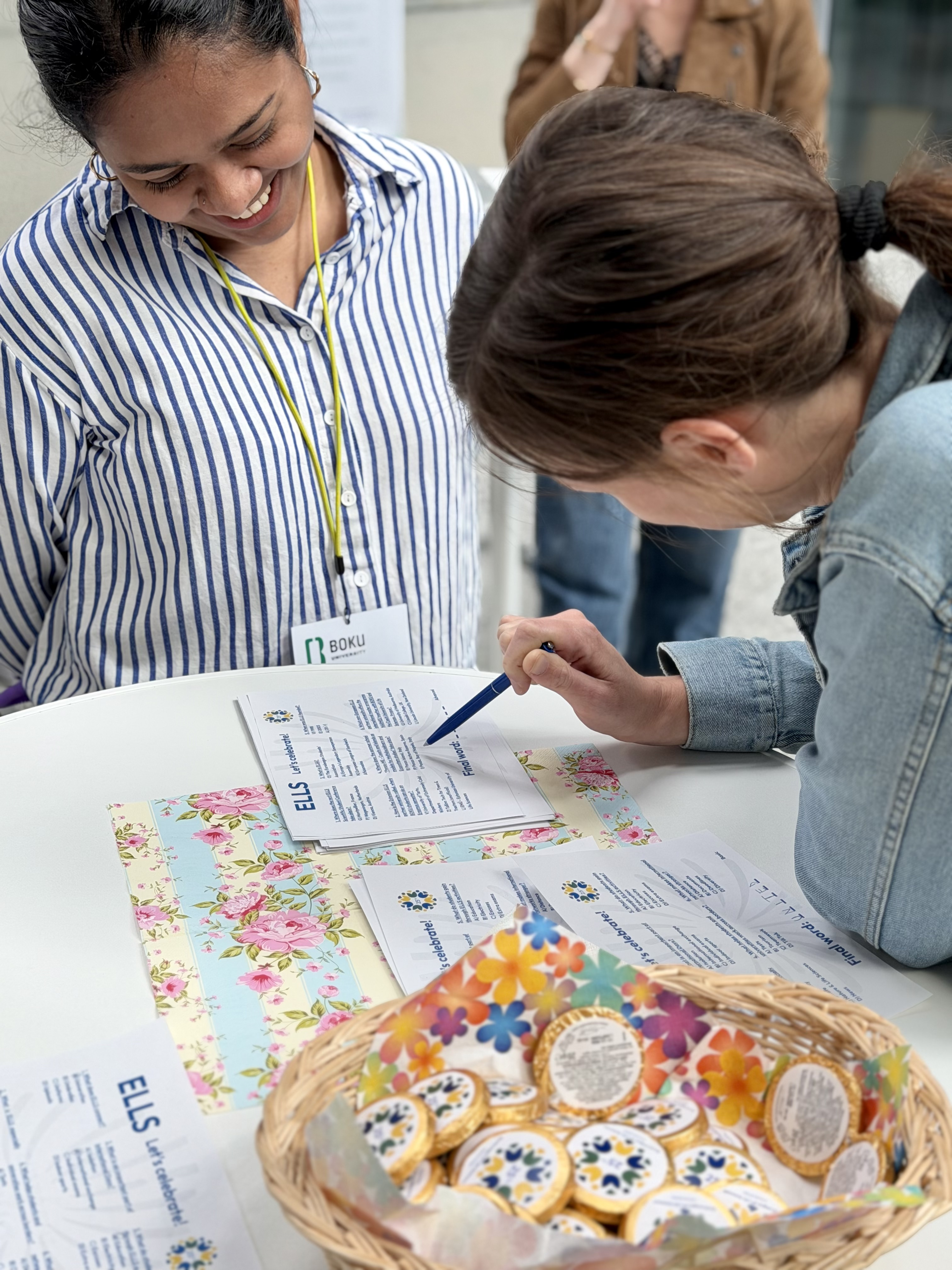
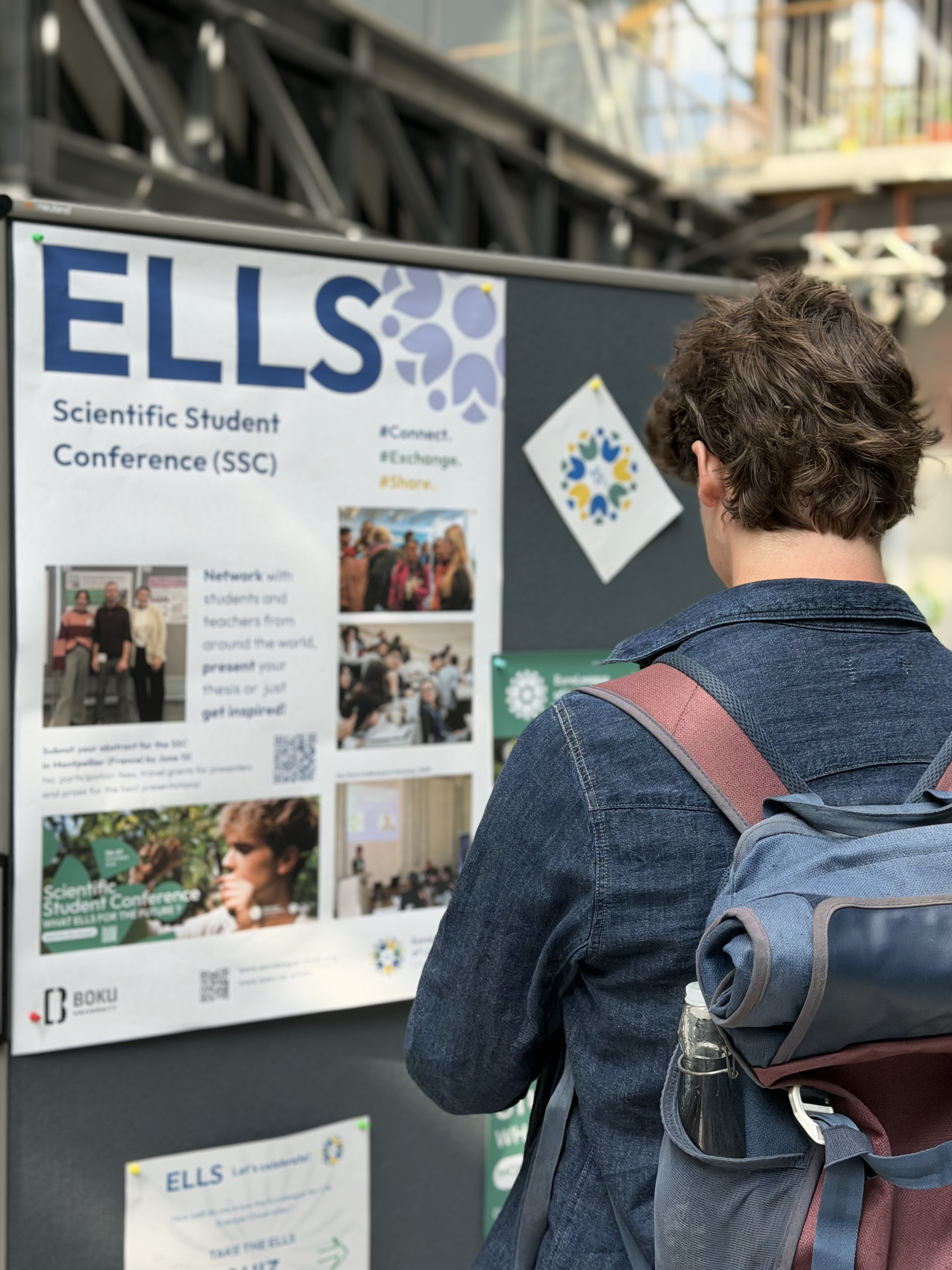
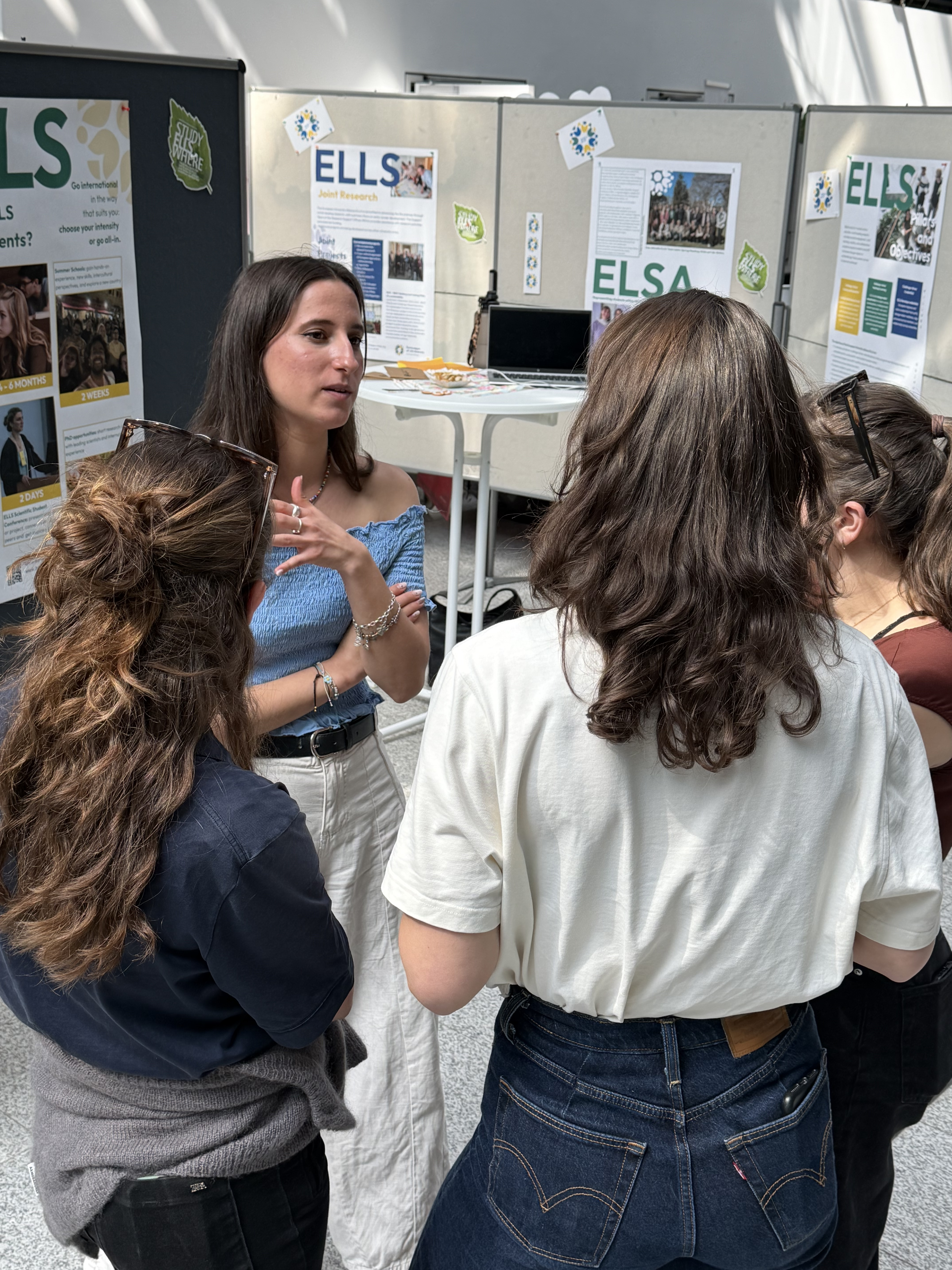
BOKU also shared a video from the anniversary activities on Instagram, offering a closer look at the celebration and the ELLS presence during the International Days.
Watch the video on InstagramThrough personal conversations, interactive activities, an exhibition and digital communication, BOKU University introduced a new generation of students to the opportunities and international community that ELLS has built over the past 25 years.
As a proud member of the EuroLeague for Life Sciences (ELLS), NMBU is joining the celebration of the network's 25th anniversary in 2026. Although NMBU has been part of ELLS only since 2022, the collaboration has already created valuable opportunities for students and staff.
To mark the anniversary, NMBU reflected on how ELLS has strengthened international collaboration and contributed to education, research and innovation. Two NMBU colleagues shared their experience: Elise Norberg, Researcher in Breeding, Genetics and Food Production Systems, and Hilde Vinje, Associate Professor in Biostatistics at the Faculty of Chemistry, Biotechnology and Food Science.
Elise Norberg has followed NMBU's ELLS journey closely. She highlights the alliance's organisation around academic subject areas as an important strength, helping researchers and educators build lasting professional networks.
For students, ELLS opens access to high-quality summer schools and the annual Scientific Student Conference, where they can present their work. Staff can develop and organise courses together, while administrative colleagues exchange knowledge and best practices across the network.
“There are lots of opportunities for students and staff in the ELLS network.”
The alliance brings together leading European universities working in the life sciences.
ELLS builds on a long tradition of collaboration in both education and research.
NMBU has contributed to the successful European Universities Initiative application and to the revised governance structure of ELLS.
For Norberg, the successful application through the ELLS alliance under the European Universities Initiative represents one of the most important milestones. It was the result of extensive work across all partner institutions and opens new possibilities for deeper cooperation in the years ahead.
The value of the ELLS network is also visible in concrete collaborative projects. Hilde Vinje coordinates an ELLS pilot project involving NMBU, SLU, Wageningen University and BOKU, together with SIKT.
The original idea was to explore a shared cloud-based environment for research and teaching across universities. The project has since been scaled down to focus on a joint PhD course, which will test how such a digital environment can support teaching and collaboration across institutions.
“There was a clear interest in finding shared solutions rather than each university developing everything independently.”
Vinje sees ELLS as the established network that made it possible to bring universities and technical partners from several countries together around a common idea. She hopes the project will make courses and expertise more easily available across ELLS universities and encourage new collaboration in teaching.
As ELLS prepares to enter a new phase as a European University Alliance, NMBU sees strong potential for closer collaboration in education. For Norberg, one of the most exciting opportunities is the possibility to continue developing study programmes and pedagogical approaches together with leading life science universities in Europe.
By learning from one another, exchanging experience and jointly developing new approaches, the partners can create further opportunities for students and staff and strengthen their ability to educate future change makers.

|
Elise Norberg
“Great opportunities to learn and develop in a strong alliance.” |

|
Hilde Vinje
“I hope it can make it easier to find colleagues with shared interests and create new opportunities for collaboration across institutions.” |
NMBU's experience shows how ELLS combines long-term trust with new ideas: from student opportunities and professional networks to joint digital solutions and the next phase of European university cooperation.
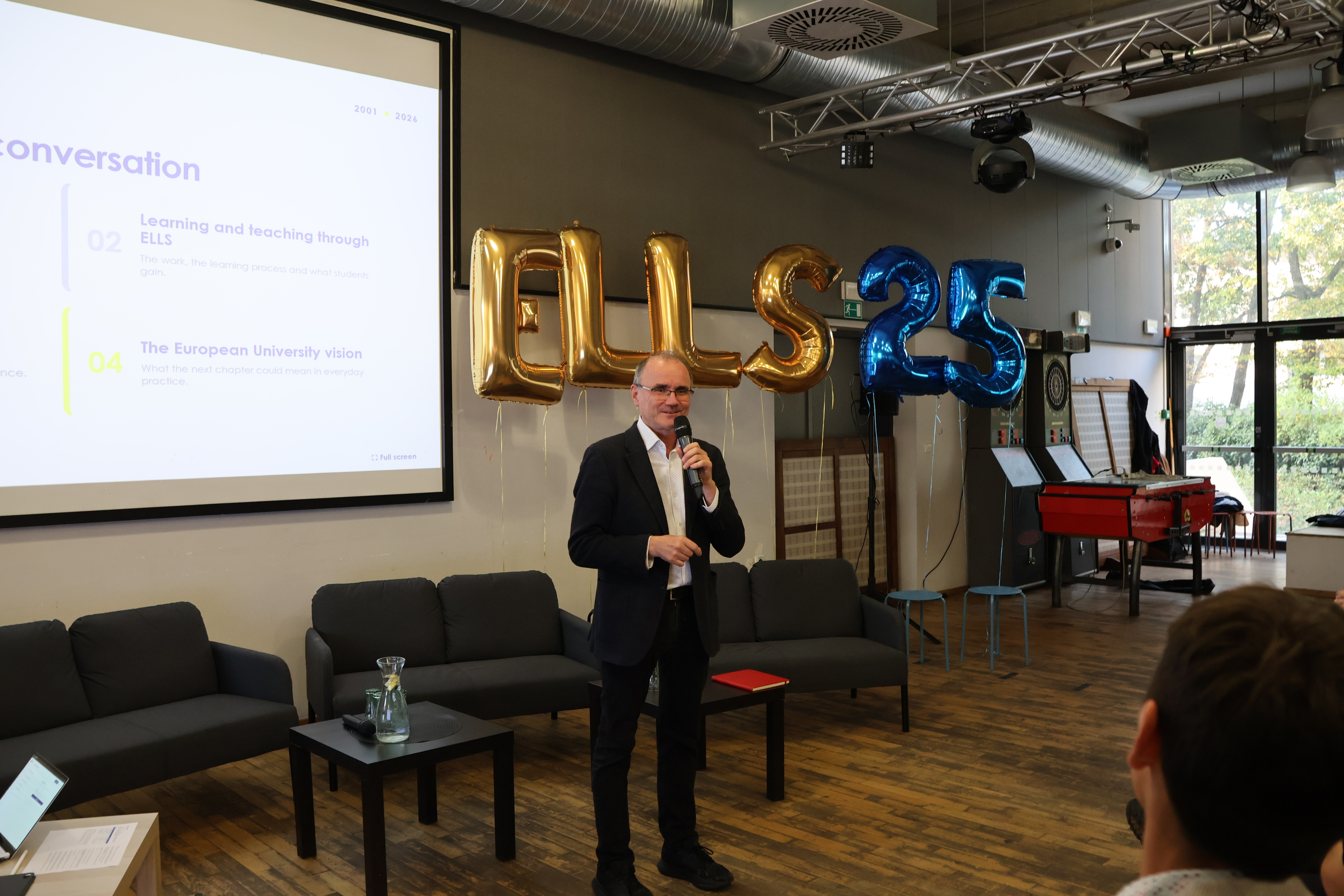
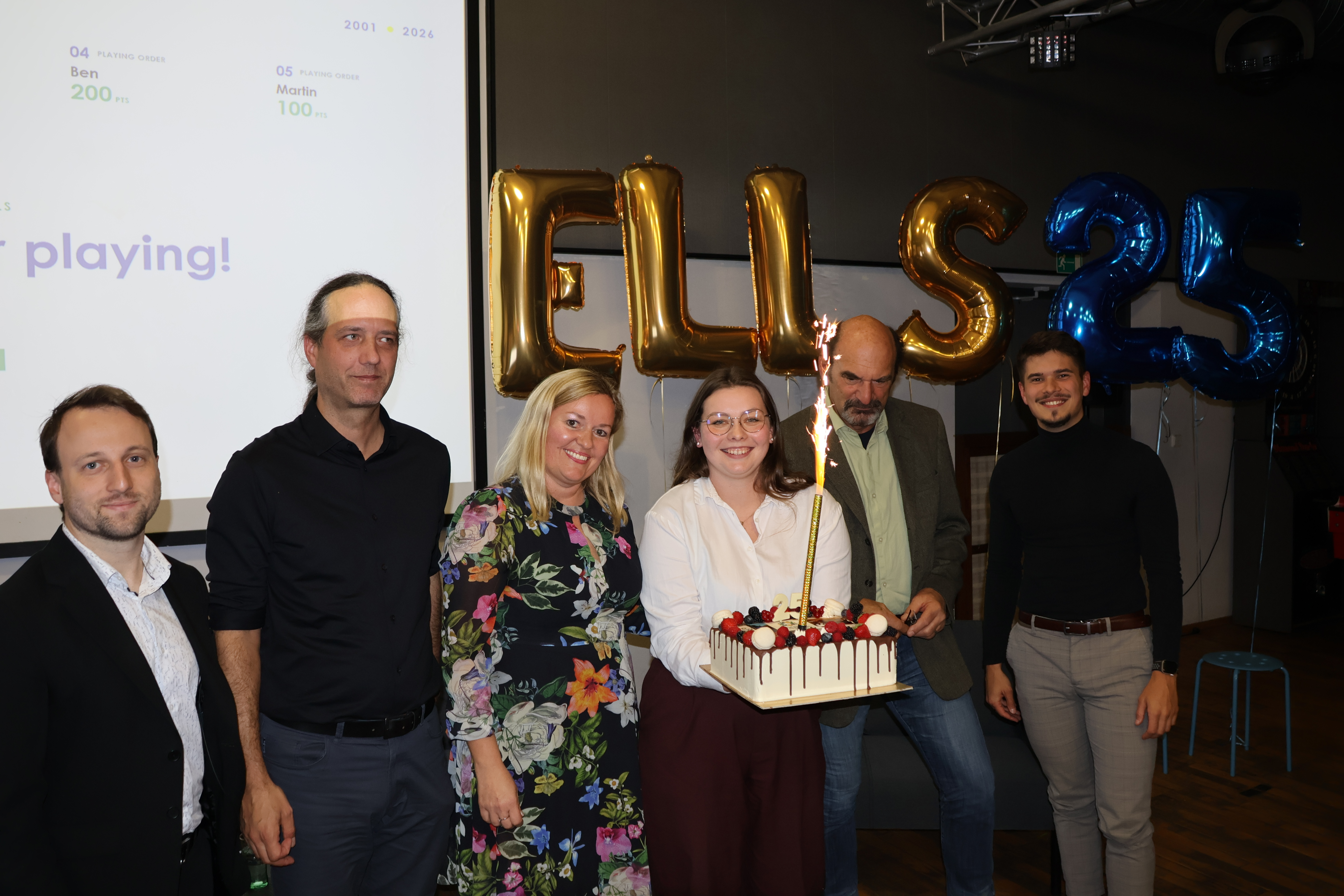
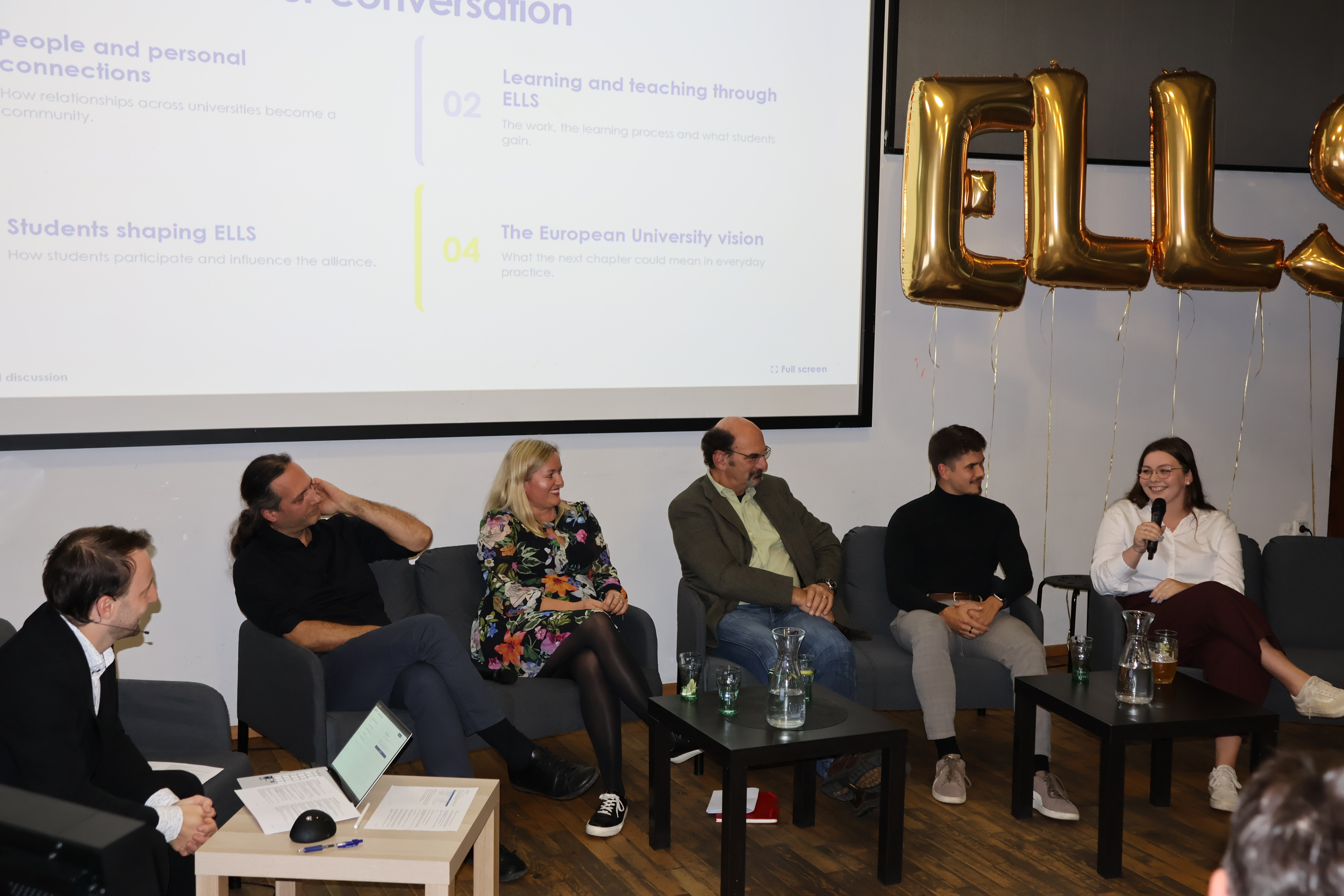
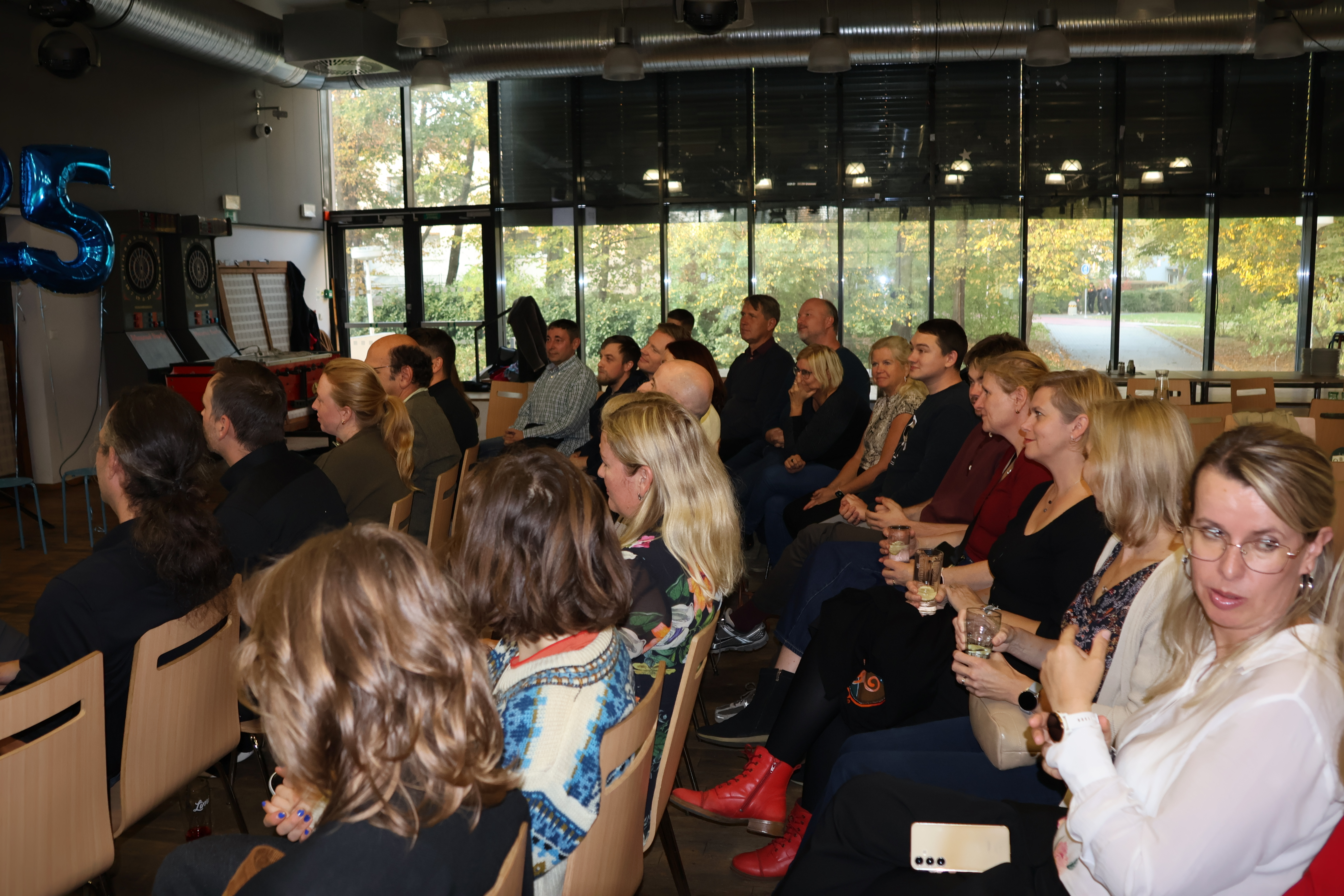
On 20 October 2026, the Czech University of Life Sciences Prague (CZU) joined the celebrations of the 25th anniversary of the EuroLeague of Life Sciences Universities (ELLS). The event, held at Club C on the CZU campus, brought together students, academics, and university representatives to celebrate a quarter-century of international cooperation, shared opportunities, and academic exchange.
The official programme opened with a welcome address by CZU Rector Prof. Michal Lošťák, followed by a panel discussion exploring 25 years of ELLS from different perspectives. The panel brought together representatives of university leadership, academics, and students, including members of the EuroLeague Student Association (ELSA). The discussion highlighted the importance of international collaboration, student engagement, and the opportunities that ELLS creates for its member universities.
The celebration continued with an interactive ELLS-themed quiz, where participants could test their knowledge of the alliance and its history in a friendly competition. The evening concluded with refreshments and informal networking, offering an opportunity to connect across generations and university roles.
Founded in 2001, ELLS has grown into a strong European alliance connecting universities in the fields of life sciences, agriculture, forestry, environmental sciences, and sustainable development. Its 25th anniversary marks an especially significant milestone, as ELLS was awarded European University Alliance status in 2026, opening a new chapter of cooperation in education, research, and innovation.
The celebration at CZU Prague was not only an opportunity to reflect on 25 years of achievements, but also a reminder that the true strength of ELLS lies in the people, partnerships, and opportunities it creates.
Here's to the next 25 years of learning, connecting, and growing together!